Tree inspections in Norwood: practical, local tree care for homes and businesses
If you are looking for tree inspections in Norwood, you are probably trying to answer a very real question: are the trees on your property safe, healthy, and suitable for the space they are in? Whether you manage a family home, a rental property, a commercial site, or a shared driveway, a professional inspection can help you understand what is happening with your trees before a problem becomes expensive, disruptive, or dangerous.
Norwood has a mix of established streets, mature gardens, older specimen trees, courtyards, and tightly packed urban properties, which makes tree care feel a little different here compared with broader suburban areas. Trees may be close to fences, power lines, garages, footpaths, retaining walls, or neighbouring homes. That means inspections are not just about tree health; they are also about risk, access, safety, and planning.
A good inspection should give you clear, practical information. You want to know what condition the tree is in, whether there are obvious defects, if any action is recommended, and what can be done next. For many local customers, the goal is simple: protect people, protect property, and keep the landscape looking cared for. If that sounds like your situation, this service page is designed to help you understand what is involved and when to book an inspection.
Why tree inspections matter in Norwood
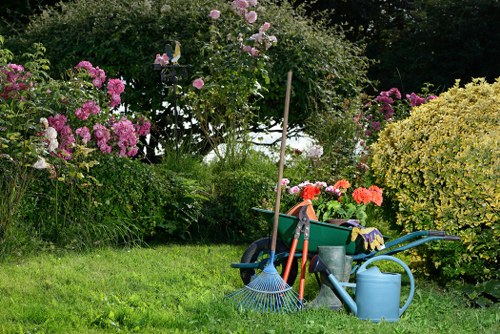
In a neighbourhood like Norwood, mature trees are a big part of the character of the area. They provide shade, privacy, habitat, and kerb appeal. But older trees and tightly planted urban trees also need regular attention. Over time, branches can weaken, roots can be constrained, pests or disease can develop, and storms can expose hidden structural issues. A tree that looks fine from the street may still have internal decay, poor attachment points, or root problems that are not obvious to an untrained eye.
That is why inspections are so useful. They help identify issues early, when options are usually broader and less disruptive. Instead of waiting for a limb to break or a tree to fail during windy weather, you can make informed decisions about pruning, monitoring, cabling, treatment, or removal if necessary. For many customers, that peace of mind is worth a lot, especially where trees sit close to homes, vehicles, sheds, outdoor entertaining areas, or public paths.
Tree inspections in Norwood are also valuable when you are planning works around the property. If you want to extend a driveway, install paving, add a shed, rework a garden bed, or carry out construction near established trees, an inspection can help you understand what needs to be protected and what may require extra care. It is always better to check first than to discover a problem once the project is already underway.
Who needs a tree inspection?

Many different property owners and managers use tree inspections in Norwood. Some contact a local arborist because they have noticed a visible issue, while others simply want a scheduled check-up. If you are unsure whether your trees need attention, the answer is often yes if one of the following applies:
- Branches are hanging over a roof, garage, fence, or neighbour’s property.
- The tree has recently leaned, cracked, or dropped limbs.
- Leaves, bark, or canopy growth look sparse, discoloured, or unusual.
- Roots are lifting paving, affecting drains, or crowding a confined area.
- You have concerns after strong wind, heavy rain, or dry spells.
- You are buying, selling, renovating, or managing a property.
- The tree is near a boundary, driveway, or high-use outdoor area.
- You need a professional opinion before arranging pruning or removal work.
Homeowners often book an inspection for peace of mind or because a tree has started to look different. Property managers may need a report to support maintenance planning. Commercial customers, schools, and body corporate or strata-style properties often need a reliable assessment to help with duty of care, site access, and ongoing maintenance schedules. In every case, the aim is the same: make informed decisions with local knowledge.
Norwood’s mix of narrow streets, older blocks, and active residential frontages can also make tree issues more noticeable to neighbours and passers-by. A prompt inspection helps you respond early and responsibly, especially if branches extend beyond your property or if a shared space is involved.
What a professional tree inspection includes
Visible tree health and structure assessment
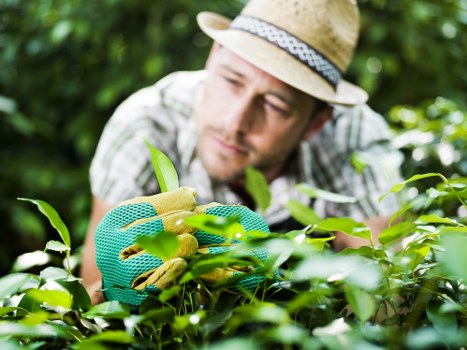
A proper inspection is more than a quick glance. The arborist will typically assess the tree’s overall condition, looking at trunk form, branch unions, canopy density, signs of stress, pest or disease indicators, and any visible damage. They may also consider the tree’s age, species characteristics, growth habit, and location on the site. Each tree has its own risk profile, and a healthy-looking tree in one setting may be more concerning in another.
Structural concerns can include heavy limbs, included bark, cavities, cracks, poor branch attachments, decay, or previous pruning wounds that have not responded well. Root zone issues may also be discussed, especially where the tree is close to concrete, paving, retaining walls, underground services, or compacted soil. In a built-up area such as Norwood, these site factors matter just as much as the tree itself.
Risk and safety considerations
The inspection should also focus on what the tree could affect if something fails. That means considering buildings, paths, vehicles, play areas, neighbouring property, overhead lines, and frequent pedestrian movement. A tree may be manageable in a back garden but far less suitable if it overhangs a busy footpath or sits where children regularly play. The tree’s location, not just its species, shapes the level of concern.
When needed, the arborist may recommend a follow-up action such as pruning, deadwood removal, monitoring, soil improvement, pest treatment, or, in some cases, removal. Not every problem requires immediate intervention. Sometimes the best result is a sensible monitoring plan and a clear timeframe for re-checking the tree after a season change or weather event.
Good inspections are practical. They do not just point out issues; they help you understand what matters most now and what can wait. That makes it easier to plan maintenance without unnecessary work.
How tree inspections in Norwood work
Step 1: Initial discussion
The process usually begins with a conversation about what you have noticed and what you need from the inspection. You might be concerned about cracking, falling debris, root damage, leaf loss, storm damage, or simply the age of the tree. This first step helps the arborist understand the urgency, access conditions, and any site restrictions before arriving.
Step 2: On-site assessment
Once on site, the arborist will inspect the tree visually and, where needed, from multiple angles. They may look at the root collar, trunk, canopy, and nearby features that affect risk or tree performance. In a narrow Norwood property or a street-facing frontage, access can be tight, so the inspection may involve careful positioning and a methodical approach. That is normal in local urban tree work.
Step 3: Findings and recommendations
After the assessment, you should receive plain-language feedback about what was found and what the options are. This may include immediate actions, maintenance priorities, and the likely timing of future checks. If the tree is subject to planning or property constraints, the arborist can also explain how those factors may affect the next steps.
For many customers, the real value is clarity. You should know whether the tree is okay to leave in place, whether it needs attention soon, and whether specialist work is recommended. Clear advice helps you budget, plan, and act with confidence.
Common tree issues found during inspections

Local trees can develop many kinds of issues, especially when they are growing in compacted soil, near construction, or in confined garden spaces. Some problems are obvious, while others are subtle and need a trained eye.
Typical concerns include:
- Deadwood in the canopy that could fall unexpectedly.
- Cracks or splits in the trunk or major limbs.
- Decay or cavities that weaken the internal structure.
- Root disturbance from paving, excavation, or repeated traffic.
- Storm damage that is not immediately visible from the ground.
- Canopy imbalance after previous pruning or natural growth direction changes.
- Pests and disease affecting vigour, leaf quality, or branch health.
- Overextended branches reaching into roofs, neighbour spaces, or public areas.
Sometimes the issue is not a defect in the tree itself, but the tree’s location. A healthy tree in a generous space may become problematic if it has grown too close to a building, is shading solar access too heavily, or is interfering with access and maintenance on a smaller lot. In Norwood, where block sizes and garden layouts can vary a lot, that distinction is important.
A careful inspection can help separate actual risk from general concern. That matters because tree work can be costly and disruptive if it is unnecessary. A local, experienced arborist should be able to explain the difference and recommend only what is appropriate for the site.
What is included in a Norwood tree inspection service?
Useful items customers often expect
While every job is different, most local customers want an inspection that is thorough, practical, and easy to understand. A well-run service generally includes some or all of the following:
- Assessment of visible tree health and structure.
- Review of any obvious safety concerns or storm damage.
- Discussion of the tree’s location and any surrounding targets.
- Identification of likely causes of stress or decline.
- Recommended actions, if any, such as pruning or monitoring.
- Advice on whether another inspection should be scheduled later.
- Clear explanation of any access issues that affect the work.
Some customers also request a more formal written report, especially when tree concerns relate to property management, development work, or shared ownership responsibilities. Others only need on-the-spot advice before deciding whether to proceed with maintenance. The right level of detail depends on your situation, but a local professional should be able to tailor the service to suit.
Why local knowledge matters
A team that regularly works in Norwood understands the area’s common property layouts, tree types, and access challenges. That can make the inspection smoother and the advice more relevant. For example, the approach on a leafy residential street with mature front gardens may differ from a compact commercial site with shared access or rear-lane limitations. Local experience helps the inspection reflect the real conditions on your property.
It also means the arborist is more likely to understand how seasonal weather, established canopy growth, and surrounding development pressures affect trees in this part of the city. That local perspective can be useful when you need an opinion you can act on quickly.
Residential tree inspections for Norwood homes
For homeowners, tree inspections are often about balancing beauty and safety. Mature trees can add huge value to a property, but they can also create concerns about shading, debris, branch drop, and root interference. If you live in a character home, a townhouse, or a property with a small front or rear yard, you may already know that space is at a premium. Trees need enough room to grow without causing preventable issues.
Residential customers often ask for an inspection after a storm, before selling a home, after noticing dead branches, or when a tree begins to encroach on an outdoor living area. Others want an annual or periodic check as part of sensible garden upkeep. This can be especially useful in older parts of Norwood where established trees may have been in place for decades and now sit much closer to buildings than they did when first planted.
For families, the main concerns are often straightforward: keeping play areas safe, preventing branches from overhanging roofs, and making sure the tree does not create avoidable hazards. A good inspection should help answer those questions clearly, without alarmism or unnecessary work. Reliable advice makes it easier to look after the property with confidence.
Commercial and strata-style tree inspections
Keeping sites functional and presentable
Businesses, landlords, facilities teams, and shared-property managers in Norwood often need trees assessed for more than one reason. Safety is always important, but so is maintaining a tidy, welcoming site that stays usable for customers, staff, residents, and visitors. Trees can affect parking, signage, access ways, loading areas, outdoor seating, and foot traffic. A branch over a driveway or a root issue under a paved entry can quickly become a management problem.
Commercial inspections are useful when planning routine maintenance, responding to complaints, preparing for works, or documenting the condition of trees around a site. In places with shared boundaries or high use areas, a clear inspection can support better decision-making and reduce confusion about responsibility. It also helps you decide whether the next step should be pruning, follow-up monitoring, or further investigation.
For property managers and businesses, timing matters. Inspections can be scheduled to minimise disruption and fit around access windows, opening hours, or contractor coordination. If the site has limited parking or narrow access, that can be taken into account before the job begins. Good planning makes the service easier for everyone involved.
Access, parking, and site conditions in Norwood
One of the reasons local customers prefer a nearby tree specialist is that Norwood properties can present practical access challenges. Streets may be busy, driveways may be narrow, and rear access can be limited. Some properties have overhead services, tight side passages, established gardens, or shared boundaries that make equipment movement and on-site assessment more involved. A team familiar with these conditions can plan the inspection efficiently and reduce hassle.
Parking can also be a factor for inspections on busier streets or near mixed residential and commercial areas. The right approach depends on the site, the size of the tree, and the level of detail needed. For example, a simple safety check at a front-yard tree may be quick, while a more detailed assessment of a large mature tree near structures may take longer. Either way, it helps when the team understands how to work respectfully in the area and adapt to local conditions.
If your property includes difficult-to-reach trees, steep ground, compacted soil, or areas where tools and access need careful handling, mention that when booking. It allows the team to arrive prepared and avoid delays. In many cases, a short conversation before the visit saves time on the day and leads to a better result.
Pricing factors for tree inspections
Customers often want to know what influences the cost of an inspection. While exact pricing depends on the property and the tree, the main factors are usually straightforward. These include the number of trees to be assessed, the size and maturity of the trees, the complexity of the site, how much detail is required, and whether a written report is needed. Access and urgency can also affect the scope of the job.
A single front-yard tree with easy access is generally simpler to inspect than a group of mature trees spread across a larger property or a site with multiple levels, close structures, and difficult entry points. If you need the inspection for a specific purpose, such as property works or a management record, that may also influence the level of documentation required. Rather than guessing, it is usually best to request a quote based on your actual property conditions.
Transparency matters. A reputable local service should be able to explain what is included and what factors may change the overall scope. That helps you compare options and choose the level of service that suits your property and budget.
How to prepare for your tree inspection
A simple checklist for property owners
Preparing for an inspection does not need to be complicated, but a little planning can help the visit go more smoothly. If possible, walk around the tree first and note anything unusual you have seen recently. This might include falling bark, leaning, branch movement in wind, mushrooms at the base, leaf drop, or damage after a storm. Even small observations can be useful.
You can also make access easier by clearing temporary obstacles from around the area if it is safe to do so. If gates need to be opened, pets secured, or neighbours informed about shared access, handling those details in advance can save time. For commercial or strata-style properties, it may also help to alert the relevant people so the arborist can work without interruptions.
Helpful preparation checklist
- Identify the specific tree or trees you want inspected.
- Note any recent changes, damage, or concerns.
- Make gates, side access, or shared entrances available where possible.
- Keep vehicles or obstructions clear of the inspection area if needed.
- Tell the arborist about any underground services, irrigation, or site constraints.
- Arrange someone to be available if decisions need to be made on site.
This kind of preparation helps the arborist focus on the assessment itself rather than site logistics. It also means you are more likely to get clear, tailored advice in one visit. Small preparations can make a noticeable difference.
Why choose a local company for tree inspections in Norwood
When you choose a local team, you are usually choosing convenience, practical knowledge, and faster response times. A company that regularly works in Norwood is more likely to understand the area’s tree species, common property layouts, and the realities of working on smaller urban sites. That experience can make the inspection more efficient and the advice more relevant to your property.
Local providers are also typically better placed to understand how the area’s homes, businesses, and gardens are used day to day. That matters when a tree issue could affect parking, neighbours, outdoor seating, side access, or the visibility of a frontage. You do not just want a generic opinion; you want advice that fits the way your property actually functions.
For many customers, working with a local company also makes follow-up easier. If the inspection shows that pruning, monitoring, or another service is needed later, it is simpler to coordinate when the team already knows the site. That continuity can save time and reduce stress.
Areas covered around Norwood
Tree inspections are often booked not just in Norwood itself, but across nearby suburbs and surrounding inner-city areas where similar property conditions apply. Customers in neighbouring locations with mature street trees, compact blocks, and mixed residential-commercial streets often face the same kinds of concerns.
Depending on the service provider and scheduling, inspections may also be available for nearby areas such as:
- Rose Park
- Beulah Park
- Toorak Gardens
- Trinity Gardens
- Kent Town
- St Morris
- College Park
- East Adelaide
If you are close to Norwood and unsure whether your property falls within the service area, it is worth asking when booking. A local arborist may be able to assist with nearby suburbs where access, tree age, and urban layout are similar. Local coverage can be especially useful when you need timely advice after weather events or before scheduled works.
Frequently asked questions
How often should trees be inspected?
It depends on the tree’s age, size, condition, and location. A mature tree close to a building or high-use area may benefit from regular checks, while a younger, healthier tree in an open position may need less frequent attention. If you are unsure, a local arborist can suggest a sensible schedule based on the tree’s risk profile.
Do I need an inspection after storm damage?
Yes, if a tree has been affected by strong wind, heavy rain, or fallen limbs, an inspection is a smart next step. Some damage is obvious, but internal issues or split attachments can be missed without a closer look. Even if the tree still appears upright, it may need attention.
Can you inspect a tree before I decide on pruning or removal?
Absolutely. That is one of the most common reasons people book tree inspections in Norwood. A professional assessment can help you decide whether pruning is enough, whether the tree should be monitored, or whether removal needs to be considered because of safety or structural concerns.
Will the inspection tell me if my tree is safe?
The arborist can identify visible concerns, discuss risk factors, and recommend next steps, but no responsible professional should overstate certainty. Trees are living structures, and conditions can change over time. The goal is to provide the best practical assessment available so you can make informed decisions.
What if the tree is near a boundary or neighbouring property?
That is very common in Norwood. The arborist can still inspect the tree and explain any issues that may affect adjacent properties. If shared access or overhanging branches are part of the situation, it helps to mention that early so the inspection can consider those factors properly.
Can tree inspections help with long-term planning?
Yes. A good inspection can help you plan maintenance over time rather than reacting to emergencies. That is useful if you have several trees on one property or if you want to keep mature trees while managing risk and upkeep responsibly.
Book a tree inspection with confidence
If you need tree inspections in Norwood, the best time to act is before a small concern becomes a bigger issue. Whether you are worried about storm damage, tree decline, overhanging branches, root impact, or simply want a professional opinion, a local inspection gives you the information you need to make the right call.
For residential owners, that may mean peace of mind and a safer garden. For businesses and property managers, it may mean better planning, less disruption, and clearer responsibility. For everyone, it means knowing what is happening with the tree and what to do next.
Request a free quote if you want to compare options, or contact us today to arrange an inspection at a time that suits your property. If the tree is causing concern, don’t wait for the next storm or the next sign of damage. Book your service now and get practical advice from a local team that understands Norwood properties.