Tree Pruning in Norwood: A Local Service for Healthier, Safer, Better-Looking Trees
When homeowners, landlords, body corporates, and business owners look for tree pruning in Norwood, they are usually after more than a quick trim. They want a careful, practical service that improves tree health, reduces risk, respects the property, and suits the way people live and work in the area. Norwood has a distinctive mix of character homes, established gardens, laneway access, townhouses, commercial strips, schools, and office spaces, so the right pruning approach needs local know-how as well as the right equipment and techniques.
Pruning is not just about making trees look neat. It can help manage overhanging branches, improve light into a garden, reduce weight on limbs, support fruiting, clear driveways and paths, and address dead, damaged, or rubbing branches before they become a bigger issue. A well-pruned tree can also complement the style of a property, whether that means preserving the street appeal of a period home or keeping a business frontage safe and welcoming for customers.
In a suburb like Norwood, where mature trees are often part of the landscape, the value of careful pruning is easy to see. Trees close to fences, roofs, powerlines, sheds, paved areas, and neighbouring properties need a measured approach. That is why local customers often choose a team that understands the area, the typical tree species, and the practical challenges of working in built-up streets and tighter access zones.
Why Tree Pruning Matters for Norwood Properties
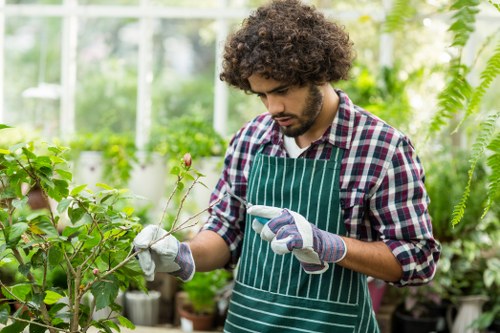
Tree pruning in Norwood is often requested for a mix of safety, appearance, and long-term tree care. Some trees need structural pruning while they are still young so they develop a strong framework. Others may need maintenance pruning to remove deadwood, improve airflow, or stop branches from encroaching onto roofs, windows, and shared boundaries. In some cases, pruning is also used to reduce the impact of storm-prone limbs or to clear clearance around accessways and parking areas.
Norwood properties often feature established gardens and older streetscapes, which means trees can have years of growth behind them. That can be a major asset, but it can also create issues if branches start competing for space, shading out gardens, or placing pressure on structures. Careful pruning helps balance the natural shape of the tree with the practical needs of the site.
Good pruning also supports tree health. Removing damaged limbs can reduce disease entry points, while selective thinning can improve light penetration and airflow through the canopy. For many local customers, the goal is not to remove too much, but to make the tree safer, healthier, and more manageable without spoiling its natural form.
Common reasons locals book pruning
- Overhanging branches near roofs, gutters, or solar panels
- Low limbs blocking driveways, footpaths, or vehicle access
- Dead, diseased, storm-damaged, or crossing branches
- Canopy lifting for pedestrian and vehicle clearance
- Shaping ornamental trees for better appearance
- Managing fruit trees for productivity and easier picking
- Reducing shading on lawns, gardens, and courtyards
What a Professional Pruning Service Usually Includes
A quality pruning service should be planned around the tree’s species, age, location, and condition. Not every tree should be cut the same way, and not every branch should be removed just because it is reachable. A trained team will assess the canopy first, then decide on a pruning method that suits the tree and the site. That is especially important in Norwood, where many trees are close to fences, adjoining properties, or narrow driveways.
Depending on the tree and the customer’s needs, pruning may include crown lifting, crown thinning, deadwooding, selective branch reduction, formative pruning, or the removal of damaged limbs after weather events. For fruit trees and some ornamentals, more detailed shaping may be used to support flowering, fruit production, or a balanced canopy.
It is also common for a local tree pruning team to manage the clean-up as part of the job. That means branches and green waste are removed, access paths are cleared, and the site is left tidy so the property can be used again without extra hassle. For many Norwood residents, that convenience matters just as much as the pruning itself.
Typical inclusions may be:
- On-site inspection and pruning recommendations
- Safe access planning for tight residential or commercial sites
- Selective cutting to suit the tree’s health and form
- Cleanup and removal of cut material
- Attention to nearby structures, fences, and landscaping
- Options for regular maintenance or one-off corrective work
Important: pruning should always be done with care, because removing too much at once can stress a tree and make future growth weaker or less balanced. A professional approach aims to achieve the outcome you need while preserving the long-term condition of the tree.
Norwood Properties and the Challenges They Can Present
Norwood is known for a blend of heritage homes, renovated residences, unit developments, courtyards, cafés, retail spaces, and professional offices. That variety is one reason local tree work needs flexibility. A pruning job in a narrow side passage behind a cottage is very different from work along a commercial frontage with customer parking and delivery access.
Access and parking can be tight in some streets, particularly where trees are close to the road or where vehicles, bins, and neighbouring boundaries limit room for equipment. A local crew that works regularly in Norwood is more likely to plan for these constraints in advance, reducing delays and helping the job run smoothly.
There is also the matter of presentation. In a suburb where many properties have been carefully maintained or renovated, a heavy-handed cut can look out of place. The better option is usually a considered pruning plan that keeps the tree tidy while maintaining the streetscape and the property’s character. That balance matters to local customers who want the work done properly, not just quickly.
Examples of sites that often need pruning
- Front gardens with mature shade trees near footpaths
- Rear yards with overgrown limbs above entertaining areas
- Townhouses where branches reach over shared fences
- Retail and hospitality premises needing clear frontage and safer customer access
- Schools and childcare sites where branch clearance and visibility are important
- Rental properties where regular maintenance helps prevent complaints and damage
For commercial customers, pruning can also help maintain a professional presentation and reduce the chance of branches interfering with lighting, signage, or entry areas. For residential customers, it is often about comfort, privacy, and keeping the garden usable through the seasons.
Types of Tree Pruning Available

Different trees and different goals call for different pruning methods. Knowing the difference helps customers make better decisions and ensures the tree is treated appropriately. A skilled team will recommend the right type of pruning rather than using one approach for every situation.
1. Crown lifting
This involves removing lower branches to increase clearance beneath the canopy. It can be useful over driveways, paths, lawns, and vehicle entry points, and is often requested where trees are encroaching into pedestrian or parking areas.
2. Crown thinning
Crown thinning reduces the density of selected branches across the canopy. It is generally used to improve light, airflow, and overall balance without drastically changing the tree’s height or shape. This can be helpful for gardens that need more sun or for trees that have become too dense after years of growth.
3. Crown reduction
Crown reduction reduces the overall spread or height of the tree in a controlled way. It is often chosen when branches are becoming too close to a structure or when a tree needs to be managed more carefully within a restricted space. The aim is usually to preserve the tree while reducing pressure on nearby assets.
4. Deadwooding
This is the removal of dead, dying, or unstable branches. Deadwooding can make a tree safer and improve its appearance, especially in high-use areas or where branches could fall onto paths, roofs, or parked vehicles.
5. Formative pruning
Young trees benefit from early structural pruning. This helps guide growth, improve branch spacing, and establish a stable framework for the future. It is one of the best ways to set a tree up for long-term success.
6. Fruit tree pruning
Fruit trees often need specific cuts to encourage healthy growth and better cropping. For homeowners with backyard orchards or a few productive trees, this can make a noticeable difference to both appearance and yield.
Benefits of Choosing Local Tree Pruning in Norwood
Working with a local team brings practical advantages that matter when you need the job done properly. A crew that regularly works in and around Norwood is more likely to understand access limitations, common tree issues, and the expectations of property owners in the area. That local familiarity can save time and reduce stress on the day of the work.
One of the key benefits is responsiveness. If you have a branch hanging low after wind, or a tree that has started to interfere with a fence, path, or roofline, it helps to deal with it promptly. Local teams are often better placed to inspect the job, explain the options, and schedule the work in a practical timeframe.
Another benefit is informed decision-making. Different suburbs tend to have different property layouts and tree mixes, and local experience helps when choosing a pruning method. In Norwood, that can mean understanding how to work around heritage-style gardens, paved courtyards, narrow side access, and busy streets without causing unnecessary disruption.
What customers often value most
- Clear advice about what should be pruned and why
- Respect for adjoining properties and shared spaces
- Careful work that suits the tree, not just the equipment
- Tidy clean-up and responsible waste removal
- Practical scheduling for homes and businesses
- A local approach that understands Norwood’s layout and character
Tree pruning in Norwood should feel straightforward for the customer. The best service is one that makes the process easy: inspection, recommendation, work, clean-up, and a clear result that improves the site.
What to Expect on the Day
A simple process that keeps things moving
Most customers want to know how the work will actually happen. The process is usually straightforward, but it should still be organised with care. A professional team will normally begin by confirming the tree or trees to be pruned, checking access, and identifying any obstacles such as vehicles, garden beds, overhead lines, sheds, or neighbouring structures.
After the initial assessment, the pruning work is carried out using suitable methods and safety practices. Depending on the site, this may involve climbing, elevated access equipment, or sectional pruning techniques to control the removal of branches. In tight Norwood locations, planning matters just as much as cutting, because the work often has to be completed with minimal disturbance to surrounding property.
Once the pruning is finished, the area is tidied and green waste is removed as arranged. Many customers appreciate being left with a better-looking, more usable yard or frontage without having to handle the heavy cleanup themselves. For commercial sites, this is especially important because businesses need a neat finish and minimal downtime.
Preparation checklist for customers
- Move cars from driveways or work areas if requested
- Clear access through gates, side paths, or shared areas
- Remove fragile items from near the tree
- Let neighbours know if branches extend over shared boundaries
- Keep pets and children away from the work area
- Flag any known issues such as low wires, sprinklers, or buried services
If you are unsure how much needs to be done before the visit, it is usually best to ask when booking. A good local team will explain what to expect so the day runs smoothly and safely.
How Pricing Factors Are Usually Assessed
Tree pruning pricing depends on several practical factors rather than a single simple measure. That is why quotes are usually based on the actual site and the specific pruning needs of the tree. In Norwood, where access and surrounding structures can vary significantly from one property to another, an on-site assessment is often the best way to estimate the work accurately.
Some of the main factors include tree size, canopy density, height, species, condition, and the level of pruning required. Access also matters: a tree with easy ground access is simpler than one set behind a narrow side passage or overhanging multiple boundaries. Clean-up requirements and waste volume can also affect the scope of the job.
Commercial jobs may involve additional coordination if the site needs work done outside trading hours or around customers, deliveries, or staff movement. Residential jobs may need extra attention where gardens, sheds, paving, or boundary fences are close to the tree. A local company can usually explain these variables clearly so customers understand what they are paying for and why.
Common factors that influence the quote
- Tree height and spread
- Number of trees requiring work
- Type of pruning requested
- Accessibility and site layout
- Amount of debris to remove
- Whether the tree is near structures or boundaries
- Special scheduling needs for homes or businesses
When you request a quote for pruning, it helps to be clear about your main concern. For example, you might want more light, better clearance, reduced weight, improved shape, or simply a safer tree. The more clearly the goal is described, the easier it is to recommend the right service.
Why Proper Pruning Techniques Matter
Not all cuts are equal. Trees respond best to pruning that respects their natural growth pattern and avoids unnecessary stress. Cutting too much, leaving jagged wounds, or removing branches in the wrong place can create problems later, including weak regrowth, sun exposure on previously shaded limbs, or an unbalanced canopy.
Correct pruning techniques aim to remove branches cleanly and strategically. That may mean cutting back to a suitable growth point, reducing weight without stripping the canopy, or removing only the branches that are dead, crossing, or poorly positioned. Good pruning is selective, not aggressive.
This is especially important for established trees in Norwood, where many properties rely on trees for privacy, shade, and visual appeal. A poor cut can affect how the tree looks for years, while a careful cut can help it continue contributing to the property’s value and comfort. For customers, that means choosing a service that values the tree as well as the outcome.
Signs a tree may need attention soon
- Branches rubbing together or crossing heavily
- Canopy becoming too dense or unbalanced
- Dead limbs visible in the crown
- Branches touching roofs, gutters, or walls
- Reduced light in the garden below
- Visible damage after windy weather
Residential Tree Pruning for Norwood Homes
Homeowners often call for pruning when a tree begins to interfere with the way the property is used. It could be a branch scraping the roof, a limb blocking the driveway, or a tree that has become too dense for the backyard to feel comfortable. In family homes, safety and usability are usually the top priorities, but appearance still matters too.
Many Norwood homes have smaller outdoor areas, established plantings, or trees set close to fences and neighbouring houses. That makes careful pruning particularly valuable. The right cut can open up a courtyard, let more natural light into living spaces, and improve the look of the garden without removing the tree entirely.
For households planning renovations, installing solar, improving outdoor entertaining spaces, or simply keeping the yard easier to maintain, pruning can be a smart first step. A well-shaped tree is easier to live with and can be better suited to changing needs over time.
Residential goals often include
- More light into the home and garden
- Better clearance for vehicles and pedestrians
- Reduced leaf litter and debris in gutters or paved areas
- Improved privacy without overgrowth
- Safer branches near play areas and entry paths
- A tidier appearance for front gardens and street appeal
Commercial Tree Pruning for Local Businesses
Businesses in and around Norwood often need trees maintained for presentation, safety, and access. Branches that block signage, reduce visibility, or interfere with customer movement can create avoidable issues. Pruning can help maintain an attractive frontage while reducing the chance of inconvenience or hazard.
Commercial properties may include cafés, retail shops, offices, schools, medical premises, and hospitality venues. Each site has different pressures, from keeping footpaths clear to ensuring delivery access and maintaining a tidy appearance during opening hours. A local team can plan work around these needs so the site stays functional.
For some businesses, routine pruning is part of general property maintenance. It helps protect the premises and presents a professional image to visitors. Where trees are part of a landscaped frontage or shared external area, regular care can also make the site easier to manage throughout the year.
Commercial benefits include
- Safer pedestrian and vehicle access
- Better visibility of shopfronts and entry points
- Reduced interference with signage and lighting
- A cleaner, more professional appearance
- Less disruption from overgrown branches
- Better management of trees on shared or high-use sites
Areas Covered Around Norwood
Local customers often want to know whether a service covers surrounding suburbs as well as Norwood itself. A nearby team is useful because it can respond to the realities of the eastern suburbs and the mix of residential and commercial properties found there. While every job is assessed individually, pruning services commonly assist customers in nearby areas with similar property layouts and tree care needs.
That may include nearby suburbs and adjoining eastern precincts where established gardens, boundary trees, and older homes create similar challenges. The advantage of staying local is simple: the team is familiar with the roads, the access issues, and the type of work commonly needed in the district.
If you are unsure whether your property falls within the service area, it is best to request a quote or make an enquiry based on the property type and the trees involved. Local pruning support is often the fastest way to deal with a tree that needs attention before it causes damage or inconvenience.
Frequently Asked Questions
How do I know if my tree needs pruning or removal?
Pruning is often suitable when the tree is healthy but has specific issues such as overhanging branches, deadwood, excessive shade, or poor shape. Removal is usually considered only when the tree is unsafe, severely damaged, or unsuitable for the site. An inspection helps determine the best option.
Can pruning help stop branches from damaging my roof or fence?
Yes, selective pruning can reduce contact with roofs, fences, and nearby structures. It is often used to create clearance and reduce the likelihood of abrasion, falling debris, or pressure on property boundaries.
Will pruning harm my tree?
When done correctly, pruning should support tree health rather than harm it. The risk comes from poor technique, over-cutting, or removing the wrong branches. That is why it is important to use a method suited to the species and the condition of the tree.
How often should trees be pruned in Norwood?
It depends on the tree species, age, growth rate, and location. Some trees need attention every few years, while others may only need occasional maintenance or post-storm cleanup. Trees close to buildings or high-use areas often need more regular checks.
Can you prune trees in small yards or tight access areas?
Yes, many Norwood properties have narrow access or compact outdoor spaces. A local team can usually plan for these conditions and use methods that suit the site safely and efficiently.
Do I need to prepare anything before the pruning visit?
Usually only a few practical steps are needed, such as moving cars if required, clearing access, and keeping pets or children away from the work area. If special preparation is needed, it should be explained when the job is booked.
Book Tree Pruning in Norwood with a Local Team
If your trees are starting to affect access, shade, safety, or appearance, now is a good time to arrange an inspection and discuss the right pruning approach. The sooner problem branches are dealt with, the easier it is to protect both the tree and the property around it.
Whether you need a one-off prune for a mature front yard tree, maintenance for a commercial frontage, or careful shaping for a fruit tree or ornamental specimen, a local team can help you choose the most suitable option. The aim is to leave you with a healthier tree, a safer site, and a cleaner finish.
Contact us today to request a free quote or book your service now. If you are ready to improve the look and safety of your property, tree pruning in Norwood is a practical step that can make an immediate difference while supporting the tree’s future growth.